Tuesday, November 11, 2014

Marketers: The Top Trends of 2014 That Will Change What You Know!


The world of marketings is always evolving, but in 2014 and onward, things are going to start to change ranging from new trends to even new technology that will be used that will definitely change the way we all view our high value target markets! As a graduate student in the Northwestern Medill IMC program with an interest in technology and innovation, I have found two articles on 2014 tech trends and technology that you will find interesting and beneficial for your future campaigns.


In this article, The Top 7 Online Marketing Trends that will Dominate 2014 by Forbes, written by Jayson DeMers, he definitely tries to demonstrate the Top 7 trends that will change the way marketers think of digital marketing.  To be honest, these are his predictions, but at the same time these are things that I have even personally seen being used by other brands and marketers as of late.  
He provides a deep-dive of the new dominate technologies that will dominate the world of marketing in 2014.  They range from content marketing, diversity in social media marketing, image-centric, mobile-friendly content as well as ad retargeting methods throughout advertising.  So much has happened in the world of digital marketing in the past few years, but 2014 is the year that things will definitely change.  Are you ready? Let me know what you think of these new dominate advertising items! Tweet me!


Apple will soon be releasing the long awaited...APPLE WATCH at the end of 2014/start of 2015!  In this article posted by Tech Radar, Apple Watch release date, news and features by Matt Swider, provides us with some insights on how this watch could revolutionize the way we see Apple and its apps!  The Apple Watch is by no means revolutionary since Motorola and Samsung have released a watch, but everyone has been talking about it and waiting for the release of it.  Everyone is excited about it because they will be the first to have a variety of styles and format in comparison to others.  The Apple Watch will definitely change the world of applications and how they are viewed.  A lot of marketers and brands will need to change the way their apps are formatted or viewed, but either way...the Apple Watch will definitely disrupt the world of technology and marketing!  What do you think of the new Apple watch? Will it disrupt the app world? Tweet Me!

As you can see, marketing has definitely made a huge turn for the best in 2014! It seems like every year marketers are having to change their mind-set on how marketing works and new fun different ways to create campaigns.  Marketing campaigns from 2010 are not the same ones used in 2014 and moving forward.  Thus, I think we need to do the following:

LEARN  
Learn about the new trends that are dominating brands in 2014...we have to know how they work in order to properly execute winning campaigns/content.

TEST
These are new trends that some marketers have been using but it doesn't mean we all know how to use it for our brands.  So test it out! See what works and what sticks to your campaigns! Don't be afraid to test before you execute.

EDUCATE
Well, aside from us learning about these trends and technology, we need to educate everyone around us.  There is always that one person that doesn't understand how it works...so, learn it so you can educate your team and/or department

Follow these three steps: Learn, Test and Educate before its too late! This should hopefully help every new and old marketer with their brand/service future planning.  Things are always changing and I believe, as a digital marketer and a graduate student at Northwestern IMC that we all need to follow these steps in order to ensure the success of our own brands.  If you are happy with plateau results and staying and using the same content and technology...then go for it! But if you want to be part of the trend...learn, test and educate yourself and spread the word about these trends and technology.  Things are changing but things are changing for the best! Hopefully these two articles will help you think of how you can utilize these trends for future campaigns.


Hivan Herrejon is a native Chicagoan who enjoys exploring the city and learning of great new restaurants and bars around the city!  In order to continue his exploration adventures around the city, he is currently enrolled as a part-time graduate student at Northwestern's Medill IMC program specializing in brand strategy and management.  Aside from being a graduate student, he is currently working for Oracle Marketing Cloud division that specialized in cross-channel marketing and digital orchestration. Feel free to tweet him at @hherrejon23


Marketing Researchers On a Budget: Be a Problem Solver to Convey the Value of Research to Your Clients

Frame up research recommendations within the context of your client's business and needs, and you’ll be providing significant value to the relationship. As part of my coursework at Northwestern's Medill IMC I spend a lot of time trying to better understand the role research and strategic planning play in the integrated marketing communications process, and I've outlined some of my thinking below.

If your clients aren’t investing in marketing research, then you have an opportunity to shine. Begin by identifying the actual pain points obstacles your client is experiencing. If you're struggling with this, here's some advice. Put yourself in your client's shoes, and imagine what keeps them up at night. There's your problem. Now spend some time developing a strategy using research designed to either overcome that obstacle or to provide the business intelligence and insights needed to do so. This recent article from USA Today is a good place to start for some ideas, as it provides several real-world examples of smart companies using established or emerging marketing research to drive valuable results. Learn more about the author, Scott Martin here.

You may be thinking that your clients don't have a dedicated research budget and you struggle with the idea of trying to show them the value in allocating resources. You're not alone. Every company in the world deals with finite resources, big and small. Yes, research can be very expensive, but there are some surprising affordable approaches you can take to offer smart marketing research strategies that won't break the bank. Offer up a cost effective, smart research strategy that is grounded in strong fundamentals and many clients will thank you for respecting their budgets and working intelligently on their behalf. Here's a great introduction from Entrepreneur Magazine on the budget-sensitive strategies some smart businesses are using to stay ahead of the competition. It's written by the always-smart Susan Gunelius.

Rather than provide an exhaustive list of research best practices and checklists, consider the following steps to get started and planning.


  1. Start with an actionable question with financial or other measurable implications.
  2. Find the most efficient way to honestly answer the question while making sure you fully understand any cost trade-offs you are making.
  3. In plain English, deliver your research recommendations along with what actionable and measurable questions you plan to address.

A great place to begin is to sit down with one of your clients who is not investing in marketing research and ask them what business worries are keeping them awake at night. Then build a smart, budget-sensitive research program to provide them with actionable recommendations at solving their problem. Do it well and not only will you earn some new business, but you'll likely earn quite a bit of customer loyalty as well.

Matt Marcus is a strategic marketing professional with significant experience across consumer and business segments. He specializes in strategic consulting, consumer/market research and planning. Matt is a pursuing a master’s degree in Integrated Marketing Communications at Northwestern University’s Medill School. Connect with him on Twitter (@mattmarcus178) and LinkedIn.

Healthcare Marketers: Storytell to Engage Your Audiences

Storytelling can be a powerful tool for healthcare marketers.  As a graduate student in the Northwestern Medill IMC program and through my prior work in healthcare management, I have found two articles on storytelling which provide insights into its importance in the healthcare industry.

When conveying complex ideas like new research, patient success outcomes or dense statistics, crafting the right story can not only effectively make your point but can humanize the message.
Read more about patient storytelling in Boston-area online marketer, Jonathan Catley's article Embrace Patient Storytelling to Strengthen Your Healthcare Marketing.


Healthcare messaging often relies of logical, evidence-based reasons to convince audiences, but many consumers make purchase decisions- even healthcare decisions- on emotional connections.  Learning how to tap into those emotional responses can be the first step in building a lasting relationship between patient and provider. Learn more about the role of storytelling in your healthcare brand in Storytelling in Health Care Marketing by Mary Beth Thomsen, senior account manager at Franklin Street Marketing.  

After reviewing these two articles and adding in my healthcare experiences, here are three action items you should consider implementing immediately:
  1. Humanize your healthcare brand- Making your message personal and real to people will help them understand it and connect to it.
  2. Think Emotions- Look for the rich detail that strikes an emotional connection with your audience and leverage those specifics to tell your story.
  3. Re-write Stats- Consider rephrasing statistics and facts into stories that educate and engage rather than bore audiences with impersonal numbers.
Using the right story can effectively personalize your brand and build a strong, human relationship with your patients and prospects.

Jessica MacLean is the Manager of Community Relations for the Robert H. Lurie Comprehensive Cancer Center of Northwestern University and a current Integrated Marketing Communications graduate student at the Medill School of Journalism.  With more than six years of experience in healthcare marketing and communications, she uses her expertise in consumer insights, storytelling and brand building to help other healthcare marketers connect to their audiences. Contact Jessica through Twitter at @JessMacL.

Brides-to-Be: 3 Ways to Appreciate Your Bridesmaids

When you're planning a wedding, your mind is abuzz with timelines, vendors, and cost-cutting measures; the last thing you're thinking about is whether or not you're being a Bridezilla to your 'maids.

As a bridal accessories designer and wedding expert, I've done quite a bit of research in this field, and my advice is to remember the sacrifices your bridesmaids are making, and show them a little appreciation.

According to 10 Ways to be the Coolest Bride Ever - From Your Future Bridesmaid by Himani Amoli, pampering your bridesmaids with drinks, gifts, and parties is a must. She writes, "Shower us with presents! While we love doing this for you, it’s nice to get some gifts for helping you out," and "We won’t say no to some drinks, snacks, and extra pampering." While I'm sure these gestures would be appreciated, making the wedding all about your bridesmaids just might make you feel resentful in the end.


A second article entitled Top Ten Ways to Thank Your Bridesmaids by Borrowed and Blue offers similar advice, including buying them unique bridesmaids gifts in addition to treating them to manicures and pedicures. All of these tips are creative, well-meaning, and certainly generous, but may just leave you feeling broke! Plus, spending more cash or dishing out extra gifts won't necessarily convey your sincere appreciation. Money can't buy happiness!  

After reviewing these articles and drawing on my experience in the wedding industry, I would suggest three thoughtful ways to appreciate your bridesmaids, without spending a dime:

1. Allow your bridesmaids to express their own individual style. 
This means offering more than one bridesmaid dress and allowing them to choose their own jewelry and shoes {because, let's face it, this isn't Sisterhood of the Traveling Pants. One size or one style does NOT fit all}.

2. Don't make them get an updo.
While this piggybacks off of the "true-to-their-style" motto from above, it goes even beyond that. Updos are not only expensive, ranging from $60 to $80, they do not flatter everyone. 

3. Let them sit with their dates at the reception.
Instead of a long, banquet style head table where you are on display and can only speak to the two people seated on either side of you, opt for a family head table or sweetheart table. Not only will your bridesmaids thank you, their dates will, too!

Sound easy enough? It is! These three things are of no cost to you, but will mean the world to your bridesmaids. And you know what just might happen? No signs of resentment as they run errands with you, help you tie ribbons, hold your flowers...etc., knowing that you value their friendship and care about their happiness, too. No signs of Bridezilla.

Happy planning!


Jill Kruidenier works full-time in online marketing, studies part-time for a Master’s in Integrated Marketing Communications, minds her Etsy shop, Jill’s Boutique, and blogs about weddings, weekends, and whatever comes to mind. Oh, and she also fits in time with her family and friends. 24 hours is not nearly enough time in one day, but she wouldn’t have it any other way! Check out her personal blog, With Love from Jill, and feel free to contact her through Twitter @jillkruidenier.

Marketing Managers: Consider understanding Programmatic buying before it's too late


Today it is vital for marketing managers to understand where programmatic buying could help your bottom line. As a graduate student in the Northwestern Medill's Integrated Marketing Communications program, I have found two compelling articles on programmatic buying that you will find interesting. 

The first article 7 Advertising Trends That Show You Exactly Where This Industry Is Headed – Mobile and programmatic are changing everything discusses how Programmatic buying for digital is only going to increase drastically in the next few years. It also outlines seven major trends in advertising that are a direct result of the increase of mobile and programmatic buying.

The second article Private Marketplaces, Programmatic Direct not just a Fad outlines the rise of programmatic buying increasing significantly and not only that, the concerns and limitations of quality control on automated buying disappearing from marketing managers.

After reviewing these articles and from my studies in the Northwestern Medill IMC program, here are three action items you should immediately consider when evaluating your own digital media initiatives and strategy: 
  • LEARN – Marketing managers need a basic understanding of what Programmatic buying is and how it can elevate their media buys.
  • EVALUATE - Marketing managers need to understand Programmatic’s capabilities and limitations to fully evaluate whether it is the appropriate tactic in your digital media mix.
  • IMPLEMENT – Marketing managers need to gauge how Programmatic buying can be integrated into their overall media mix and digital media strategy. 
Programmatic buying in digital media is estimated to grow significantly over the next couple of years. Programmatic is the evolution of digital media and may become the entire media landscape for traditional media buying in the near future. If you follow these three simple tips, you will be on the path to understanding how vital it is for marketing managers to understand what Programmatic is and how it can play a role in supporting your digital media mix and strategy.

Noel Moossa is a marketing communications professional with 9 years of experience, primarily in the digital space. He specializes in strategic communications, digital marketing and media management. Noel is a pursuing a master’s degree in Integrated Marketing Communications at Northwestern University’s Medill School. Connect with him on Twitter (@mo0se182) and LinkedIn.


Retailers: The next big thing you must know about wearable devices

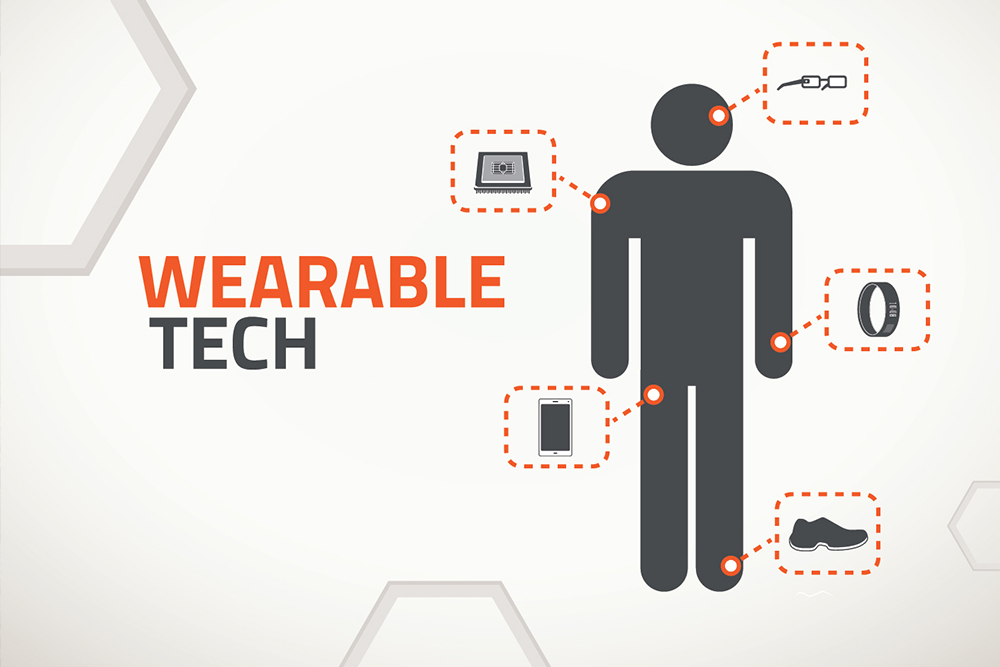
Retailer managers, how much do you know about your customers? Do you think you know your targeted consumers much better than these smart wearable devices such as Fitbit and Apple watch? The answer might be “NO”.  Smart wearable device companies no longer only profit from their end users,  but could also make huge profit from marketers since they know consumers much better than marketers. As a graduate student at Northwestern University Medill’s  Integrated Marketing Communication program, I am here to introduce your some enlightening points regarding smart wearable devices for marketers.

Nancy Gohring wrote an article called This Company saved $300k on insurance by giving employees Fitbits, which briefly introduced that how a company named as Appirio saved a lot of money on employee insurances by letting its employees wear Fitbit.  This article gives a great example how to use a B2C products to produce B2B profits, giving employees Fitbit not only created an intimate relationship between employer and employee, but it also helped it company understand their employee’s fitness condition in addition of saving company’s insurance cost. Meanwhile, by creating a company wide Fitbit community, it encourages its employees to work out harder and be more fit, which would be a big support for creating good company culture.


Glenn Taylor, author of Trend Watch: Bringing the Mobile Retailing Experience In-Store with Beacon Technology, made a great introduction toward beacon usage and function.  Beacon are hard device that could communicate and transmit data to mobile devices. Marketers typically use them to send push notifications to their consumers, in order to convince consumers to purchase their products. Many devices/apps have been used as signal receivers for beacon, such as Paypal, and Shopkick.

After reviewing these two articles and my experiences in both marketing and high tech. I would recommend following to marketers and smart wearable devices companies.

  1. Smart wearable beacon - More and more people are using smart wearable devices on their daily lives, therefore, there is a huge population that could be marketer’s potential customers if they can push correct information to smart wearable devices users.


  1. Comprehensive user profile - Smart wearable devices collect and analyze their user’s data, and have a very comprehensive profile for them. It could be very beneficial for marketers to understand their customer and make correct marketing strategies if these data used for segmentation and market planning.


  1. Consumer privacy - Privacy is always what consumers are concerned about, if marketers could also guarantee a privacy protection for their consumers by profiling them, it will be a huge plus for them among competition.


Smart wearable device users population are keep increasing, and most devices are equipped with Bluetooth technology. Therefore, I would believe it will be a bright future to combine smart wearable devices with analytic to provide a comprehensive and insightful analysis for customers since it will greatly help marketers to develop strategies to lift sales.


Danny Li is a marketing professional who has broad knowledge about high tech, and digital marketing.  He is also a heavy smart wearable devices users including Fitbit. He currently studying at Northwestern University for M.S. of Integrated Marketing Communication. . Connect with him on Twitter (@yanglidanny) and LinkedIn.