Showing posts with label environment. Show all posts

Tuesday, April 30, 2019

Design Team Leads: 3 Strategies to Lead Your Team Towards Sustainable Solutions

Designers have already begun to lead the sustainability movement, working to develop long term design solutions with sustainability in mind. As a journalism and design student at Northwestern University, I have found two articles that offer valuable insight into sustainable design.


Elizabeth Segran’s article “The shockingly simple way to make packaging more sustainable” published on Fast Company explores the creative way in which many cleaning companies have cut down on waste: removing water. By removing this component from the design of certain cleaning products, companies have been able to reduce the plastic and packaging they must use to hold and transport products. Water is a component that can be added by consumers at home. In cutting this out of the products design companies have been able to reduce the size of products, in turn reducing the resources needed to package and ship them.
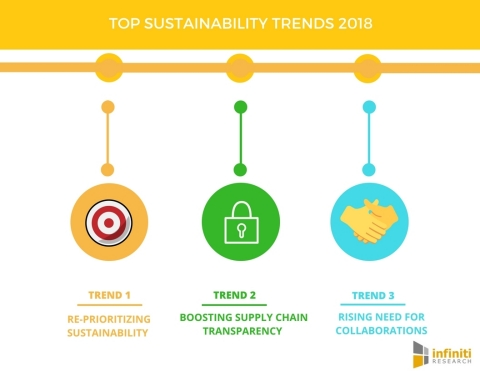

Renee Yardley's article “The state of recycling: What does it mean for paper?” published on Sustainable Brands examines consumer trends in sustainability. Today, consumers care more about recycling and are extremely mindful of their environmental impacts. Nevertheless, the average American still produces more than four pounds of trash daily, according to the EPA. Consumers want to help the environment but don’t necessarily know how to do it most effectively. Yardley also points out that consumers want companies to become leaders in sustainability as well, and hope they will work together to do so.

Based on these articles and my learnings from Northwestern, I have developed three recommendations for design leads to consider when working to lead your team towards a sustainable design solution:
  • Cut components - Reduce waste production by simplifying products through the removal of unnecessary components, such as water.
  • Find a partner - Collaborating with other green partners will allow designers to be more innovative in sustainable design and reduce environmental impact.
  • Educate consumers - It’s not enough to simply create sustainable products, educate consumers on disposal best practices in order to maximize the environmental effect.
Next time you're working on a design project, consider these three recommendations to create more sustainable solutions for the future.

My name is Kelli Nguyen. I am a senior at Northwestern University graduating this spring with a degree in Journalism, Design, Integrated Marketing Communications, and History. My passion lies in the intersection of communication and design. In the past, I have worked for BMW Technology and LinkedIn, and I aim to continue to work in tech improving communication strategies between companies and consumers. Find me on LinkedIn and Twitter.

Sunday, November 4, 2018

Sustainable Businesses: 3 Marketing Strategies to Drive Action from your Target Customer


Adopting sustainable practices is key to saving not just the planet, but your business too – as long as you know how to market yourself well. New research shows sustainability matters to consumers more than ever, and how you market your company’s sustainable attributes can make a difference for your bottom line. Here, I will examine two articles on marketing sustainability and draw out some key action items you should implement when developing a strategy for marketing your brand’s sustainable attributes.


In Peter Roesler's Inc.com article titled New Research Shows that Marketing Sustainability Can Sway Customers Worldwide, he discusses a 2016 Unilever study about the marketing of sustainable goods and corporate social responsibility. Roesler notes some of the study’s key findings: there is a $1 trillion opportunity for brands who can effectively market their sustainable products; more than 1 in 5 people said they would be more likely to choose a product whose sustainable attributes are clearly stated on its packaging or other marketing channels; and overall, 78 percent of Americans surveyed said they feel better when they buy products that are sustainably produced. This study outlines clear environmental, consumer and economic benefits to integrating sustainability into your business and why you should be transparent about it in your marketing.


Credit: Ecovadis.


Now that you see why sustainability is crucial to highlight in marketing, let’s discuss some strategies for how to do so effectively. In Doug Kramer’s Entrepreneur article titled How to Market your Sustainable Business, he emphasizes how imperative it is to reach customers and satisfy them with a product of value. In order to reach your target market, it’s important to consider why environmental responsibility matters to them in the first place. If you deliver a valuable product that helps your target customers achieve an outcome they want to see in the world and you reach them through the channels they are most active in, you’ll be more likely to make an impression on your customers and ultimately a sale.


Based on these two articles, I have compiled three action items you should consider when developing a marketing strategy for your sustainable product or business.
  • Understand customer priorities: There are many reasons people may be interested in buying sustainable products, so figure out what motivates your target market to do so and integrate those priorities into your marketing strategy.
  • Prove your impact: Do thorough research on current environmental issues and tell customers how your product can actually help solve those problems.
  • Be transparent: Outline your product’s sustainable impact on all marketing channels, from packaging to social media, and prioritize the channels where your target market is most active.
Implement these action items into the marketing strategy for your sustainable business to make an impression on and drive action from your target market.

Kelley Czajka is a senior at Northwestern University studying Journalism, French and Integrated Marketing Communications. You can connect with Kelley on Twitter and LinkedIn.