Showing posts with label Digital Strategy. Show all posts

Wednesday, May 6, 2015

Digital Strategists: 3 Ways to Differentiate Using Mobile and Video Storytelling

The opportunity to differentiate by tapping into under-invested mobile video is now and using video storytelling is how to break through. As a graduate student at Northwestern in Integrated Marketing Communication (IMC) and a research and strategy professional, I've found two articles that you will find interesting. 

Our friends at Adage recently published an article titled, Mobile Ad Spending Lags Use, But Not for Long, eMarketer Says, which states that consumers are watching less TV, but engaging more with video in other formats. While this isn't necessarily breaking news, the gap in spend among mediums is. The eMarkerter study found that:   
  • TV makes up 90% of video ad spend and 77% of time consumers spent with video
  • Mobile gets only 3% of video ad spend and makes up 12% of time spent with video
  • Total time spent on mobile devices is up to 2 hours and 51 minutes per day, likely as a result of simultaneous device usage
With time on mobile devices steadily increasing and the lower share of video dollars spent on mobile, there is a great opportunity to capitalize and reach viewers. 

http://www.havasmedia.co.uk/2015/01/the-future-of-video-and-its-consumption/

Adage also recent helped break news that the video game Guitar Hero is getting refreshed. The article, Guitar Hero Live: Activision Updates Classic For New Generation, explores some of the new updates, which includes live action video. The new live video elements or video storytelling, puts the consumer at center stage (literally) and builds a strong emotional connection with the consumer. The new game uses the theme of Stage Fright, an emotion that research among consumers showed was greater than even death. Guitar Hero Live builds upon the emotion, using video storytelling and a fictional band (made up of real actors) to show how stage fright can impact performance. As Activision CEO stated, "putting the player on a real stage, in front of a real audience -- and creating this sense of stage fright was the "meaningful, breakthrough reinvention" that made a new game launch worthwhile." The experience that the video storytelling created, was the driving force behind the launch. 

There is an opportunity in mobile and video storytelling can help to seize it. Here are the three steps that should be taken to capitalize on mobile opportunity using video storytelling:
  1. Go mobile-It is an efficient way to reach your users and there is less clutter than with other platforms
  2. Get focused-Learn about key customer moments or emotions and use them in your video content
  3. Tell stories-And maintain them throughout all aspects of your campaign, it will help differentiate
Differentiate video content by putting the customer first and using video storytelling. Ensure that the customer's experience is felt within your video to help it separate from the clutter. Use these experiences and build upon them to create relevant content throughout your brand interactions.


Brian Blake is a student at Northwestern University pursuing a Master’s degree at Medill School of Integrated Marketing Communication (IMC). He leads the Research and Insights team at a CDW. He has experience in brand and corporate strategy, brand research, copy testing and VoC.  @brianblake_me 

Monday, May 4, 2015

CMOs: 3 Ways to Succeed by Becoming Digital to the Core


As a CMO, you know digital has radically changed the way we develop, curate and distribute content. It is no longer a supplement but it is the essential center of every program, campaign and product. As an undergraduate in the Northwestern Medill IMC program with an interest in digital media, I am constantly reading articles about how companies can take initiatives in the digital world. I have found two articles on digital you will find interesting.

     The first article, “You Don’t Need a Digital Strategy, You Need a Digitally Transformed Company” by Tom Goodwin, gives a lot of insight into how you can succeed by utilizing digital. Goodwin discusses how you do not need a digital or mobile strategy; you need a business strategy for the modern world. The digital transformation does not have to do with digital departments or steps, but with the whole process starting at the beginning. In order to accomplish this, you need to bring digital thinking to the heart of your company and not just place it on the side. Goodwin explains how you must ignore existing companies in the marketplace, reevaluate your company, and use new technology and market dynamics to prosper.


In the second article, “The Seven Traits of Effective Digital Enterprises” by Tunde Olanrewaju, Kate Smaje and PaulWillmott, authors from McKinsey & Company discuss how the age of digital experimentation is over. According to the article, you must transform your company into a complete digital business. The authors explain how you need to research where digital is going and then be the first to take your company in that direction. You should hire for digital skills, challenge the status quo, and constantly look to improve the customer’s digital experience. In addition, you need to rely on big data analytics so teams can quickly identify issues and improve strategies.

After reading these two articles and based on my undergraduate studies in the Northwestern Medill IMC program, I have placed three action items you should consider in the graphic above. In a short review, they are:

  • Hire for skills over experience: Digital skills are becoming more valuable. Hire people who are innovative and looking to explore the digital marketplace.
  • Break from the field's norms: Try asking questions that a new start-up in your field might ask. Always look for ways to redefine yourself digitally by seeking out digital innovation and searching for new digital partners.
  • Focus on customer's experience: Constantly look for ways to use digital channels to improve the client's overall experience.

     Many companies are hesitant to incorporate digital into their traditional ways, or they end up placing digital strategies on the side. These articles explain how that is not the way to go – you must prioritize digital and make it the center of your company and its processes. Utilize the digital tools that already exist (and mobile) and find innovative ways to bring them to the next level.

Nicole Kreizel is currently a senior undergraduate student in Northwestern University’s Medill School of Journalism, Media and Integrated Marketing Communications, majoring in journalism and the Integrated Marketing Certificate program. She has interned at Seventeen Magazine and Mode Media within the past year. Nicole is active in the world of digital media and is also a dedicated writer. Feel free to comment and repost.
Twitter: https://twitter.com/nkreizel_nu (@nkreizel_nu)


Digital Marketers: 3 Action Items on the Importance of Using Mobile Messaging Apps in your Marketing Strategy

The mobile device user base has seen an uninterrupted period of outstanding global growth for several years now. The world is witnessing phenomenal development that has provided a fertile ground for an unprecedented diffusion of mobile messaging applications.  

As an IMC graduate student and digital marketing professional, I have learned and fully internalized the importance of understanding and integrating mobile messaging in the overall marketing strategy. I share with you two articles that expand on the impact of mobile messaging apps worldwide.

In the article WeChat Retains Crown as Top Mobile Messaging App by Jason Mander, we learn that 2014 was the year of the mobile messaging app. All around the world we've seen communications migrating from big social networks and SMS/MMS services to dedicated mobile messaging tools. The proliferation of smartphones and the fact that these mobile messaging apps are provided for free have allowed these apps to rapidly penetrate a worldwide user base. WeChat, the Chinese built platform represents an outstanding example of an app with extremely rapid growth and penetration. Its user base is now expanding beyond the borders of East and Southeast Asia.

Latin America has also proven to be a tremendous market for mobile messaging apps. The makeup of these platforms has proven to perfectly satisfy sociocultural needs.


In the article From WhatsApp to LINE: The Growing Competition in Latin America’s Mobile Messaging Sector we learn that unlike traditional SMS applications, these apps allow users to send an unlimited number of text messages, accompanied by videos and images, to one person or a group of people at no cost, regardless of the brand and model of the smartphone that a consumer is using.
The Latin American market is indeed a fertile ground for marketers that tap into the mobile messaging phenomenon. Latin Americans like to share and socialize with family members and friends, and with friends of family members.

It is critical for a marketer in the digital age to fully understand how these emerging platforms are being used by the target end user and how to leverage not only the social network aspect but also the ability to deliver relevant and quality content through these channels.

After reading these two articles, I have three action items every digital marketer should consider for their next integrated marketing strategy:

1. Discover Usage - Learn what apps your target markets are currently utilizing

2. Target Effectively - Learn how your target markets are utilizing these apps (i.e., what features, what purpose, time of day, day of the week, overall usage frequency, etc.)

3. Determine ROMI - Determine how the use of these apps could enhance your digital strategy and return on marketing investment (ROMI). Understanding market penetration and usage patterns will be critical to forecast engagement and conversion performance.

There is no question mobile messaging is a worldwide phenomenon that represents a huge opportunity for marketers. It will take a concerted effort to understand the technologies, social patterns, and potential integration to the current digital marketing mix.


Angel Viveros | @angelv_me

Angel Viveros is a leader in digital marketing whose passion lies in the development of integrated marketing communication strategies that leverage the power of technology. He was worked in the travel industry (JetBlue Airways) and in the fitness and wellness business (4Life Research USA). He is currently pursuing a Masters in Integrated Marketing Communications at Northwestern University.


Tuesday, November 11, 2014

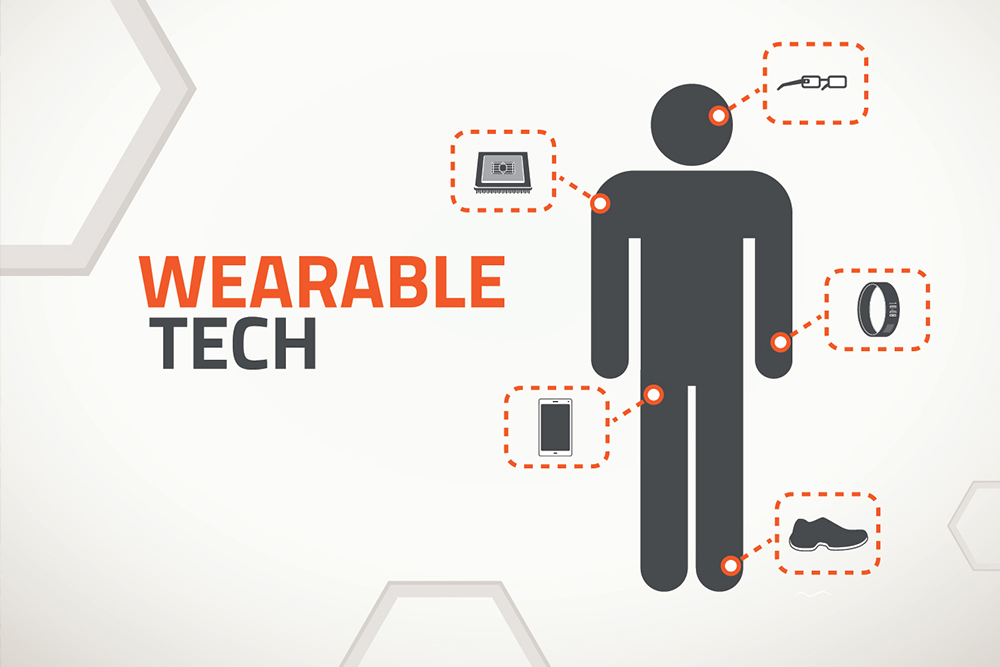
Retailers: The next big thing you must know about wearable devices

Retailer managers, how much do you know about your customers? Do you think you know your targeted consumers much better than these smart wearable devices such as Fitbit and Apple watch? The answer might be “NO”.  Smart wearable device companies no longer only profit from their end users,  but could also make huge profit from marketers since they know consumers much better than marketers. As a graduate student at Northwestern University Medill’s  Integrated Marketing Communication program, I am here to introduce your some enlightening points regarding smart wearable devices for marketers.

Nancy Gohring wrote an article called This Company saved $300k on insurance by giving employees Fitbits, which briefly introduced that how a company named as Appirio saved a lot of money on employee insurances by letting its employees wear Fitbit.  This article gives a great example how to use a B2C products to produce B2B profits, giving employees Fitbit not only created an intimate relationship between employer and employee, but it also helped it company understand their employee’s fitness condition in addition of saving company’s insurance cost. Meanwhile, by creating a company wide Fitbit community, it encourages its employees to work out harder and be more fit, which would be a big support for creating good company culture.


Glenn Taylor, author of Trend Watch: Bringing the Mobile Retailing Experience In-Store with Beacon Technology, made a great introduction toward beacon usage and function.  Beacon are hard device that could communicate and transmit data to mobile devices. Marketers typically use them to send push notifications to their consumers, in order to convince consumers to purchase their products. Many devices/apps have been used as signal receivers for beacon, such as Paypal, and Shopkick.

After reviewing these two articles and my experiences in both marketing and high tech. I would recommend following to marketers and smart wearable devices companies.

  1. Smart wearable beacon - More and more people are using smart wearable devices on their daily lives, therefore, there is a huge population that could be marketer’s potential customers if they can push correct information to smart wearable devices users.


  1. Comprehensive user profile - Smart wearable devices collect and analyze their user’s data, and have a very comprehensive profile for them. It could be very beneficial for marketers to understand their customer and make correct marketing strategies if these data used for segmentation and market planning.


  1. Consumer privacy - Privacy is always what consumers are concerned about, if marketers could also guarantee a privacy protection for their consumers by profiling them, it will be a huge plus for them among competition.


Smart wearable device users population are keep increasing, and most devices are equipped with Bluetooth technology. Therefore, I would believe it will be a bright future to combine smart wearable devices with analytic to provide a comprehensive and insightful analysis for customers since it will greatly help marketers to develop strategies to lift sales.


Danny Li is a marketing professional who has broad knowledge about high tech, and digital marketing.  He is also a heavy smart wearable devices users including Fitbit. He currently studying at Northwestern University for M.S. of Integrated Marketing Communication. . Connect with him on Twitter (@yanglidanny) and LinkedIn.